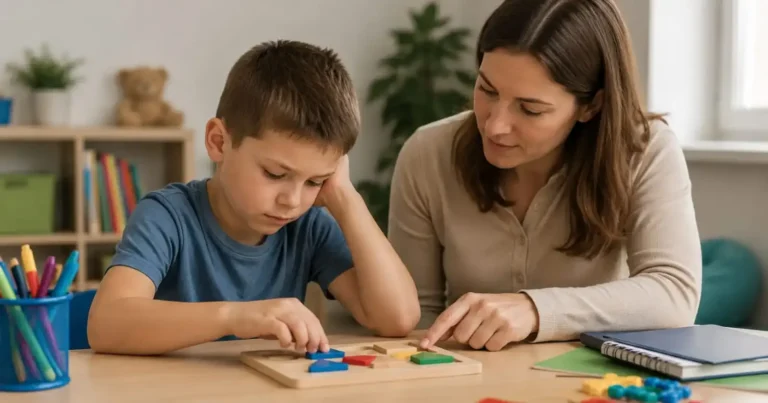
How to Help Kids Develop a Growth Mindset: 13 Proven Strategies

Every parent wants their child to grow into a confident, resilient, and successful adult. One of the best ways to help kids develop a growth mindset is through the encouragement, guidance, and support you provide every day.
Every child is born with curiosity and the ability to learn. However, a growth mindset doesn’t develop on its own. Because it grows through the messages children receive from parents, teachers, and other important adults.
A growth mindset is one of the greatest gifts you can give your child. The good news is that it can be taught. In this guide, you’ll discover 13 proven strategies to help kids develop a growth mindset, build confidence, become more resilient, and develop a lifelong love of learning.
Why It Is Important to Help Kids Develop a Growth Mindset
A growth mindset helps your child in many areas of life. It encourages them to:
- Enjoy learning new things.
- Believe they can improve.
- Build confidence through effort.
- Bounce back after setbacks.
- Stay motivated during challenges.
- Solve problems more independently.
- Develop healthy self-esteem.
- Prepare for success in school, relationships, and future careers.
The best part is that a growth mindset can be developed. Every day, you can help your child build it. Your words matter. Your actions matter. The way you respond to their successes, struggles, and mistakes matters too.
Over time, these small moments help your child become more capable, resilient, and eager to learn.
Related- Grown And Flown Because Parenting Never Ends: 14 tips
13 Proven Strategies for Parents to Help Kids Develop a Growth Mindset
Helping your child develop a growth mindset starts with everyday actions. Here are 13 proven strategies that really make a difference.
1. Create a Safe Environment for Learning
Children are more willing to try new things when they feel safe. They need to know they won’t be criticized for making mistakes.
Encourage open conversations about successes, struggles, and failures. Listen without judging. Reassure your child that mistakes are a normal part of learning. Then help them focus on what they can learn instead of what went wrong.
Instead of asking:
“Why did you do that?”
Try asking:
- What did you learn from this?
- What could you try differently next time?
- How can this experience help you improve?
A supportive environment helps children feel confident. It also encourages them to keep trying, even when learning becomes difficult.
2. Be a Growth Mindset Role Model to Help Kids Develop a Growth Mindset
Children learn more from what you do than from what you say.
So let your child see you learning new skills. Let them watch you solve problems, make mistakes, and keep going instead of giving up. Speak positively about learning. Show them that setbacks are part of the process. Never react like an emotional incest.
Use simple phrases like:
- “I haven’t figured this out yet.”
- “I made a mistake, but I learned something.”
- “This is difficult, but I’ll keep practicing.”
- “I’ll keep working until I improve.”
Your attitude teaches your child how to respond to challenges. When they see you stay positive and persistent, they’re more likely to do the same.
3. Praise Effort Instead of Natural Talent
The way you praise your child matters. It shapes how they think about success.
Avoid saying things like:
- “You’re so smart.”
- “You’re naturally good at this.”
- “And you’re really gifted.”
Instead, praise the actions that helped them succeed.
For example, say:
- “I’m proud of how hard you worked.”
- “You kept trying even when it was difficult.”
- “Your practice is really paying off.”
- “That was a creative way to solve the problem.”
- “I’m proud that you didn’t give up.”
This kind of praise teaches children that success comes from effort, persistence, and good strategies. It also helps them understand that abilities can grow with practice.
4. Teach That Mistakes Help Us Grow
Mistakes are part of learning. They are not signs of failure.
Teach your child that hard work beats talent. Help them to see mistakes as opportunities to improve. Instead of criticizing them, encourage them to think about what they learned.
Ask questions like:
- What did you learn?
- What would you do differently next time?
- How will this help you improve?
When children learn from mistakes rather than fear them, they become more empowered. They also become more willing to try difficult things.
5. Encourage Challenges Instead of Comfort
Encourage your child to try new activities. This is a simple strategy to help kids develop a growth mindset.
Because comfort is the enemy of progress, your children grow when they do things that challenge them.
So let them solve difficult problems and learn new skills. They may struggle at first, but that’s part of the learning process.
If your child says:
“I can’t do this.”
Reply with:
- “You can’t do it yet.”
- “Hard things help your brain grow.”
- “Every time you practice, you’re getting better.”
The word “yet” reminds children that learning takes time. Celebrate their willingness to try, even if they don’t succeed right away.
6. Encourage Independent Problem-Solving
Resist the urge to solve every problem for your child. Instead, give them time to think and find solutions on their own.
Ask questions that guide their thinking, such as:
- “What’s another way to solve this?”
- “What could you try next?”
- “Why do you think that happened?”
- “Which solution seems best to you?”
These questions encourage your child to think instead of waiting for answers. Over time, they build confidence in their ability to solve problems. They also develop critical thinking, creativity, and resilience.
7. Encourage Responsibility and Independence
Giving children age-appropriate responsibilities helps them become braver and more capable.
Simple tasks can make a big difference. For example, your child can:
- Organize their school bag.
- Help prepare meals.
- Complete household chores.
- Care for a pet.
- Put away their toys.
These responsibilities teach perseverance, responsibility, and problem-solving. They also show children that they can learn new skills through practice and effort.
Related- How to Help Kids Focus on Studies: 10 Proven Ways
8. Help Your Child Manage Frustration and Build Positive Self-Talk
Learning something new isn’t always easy. Every child feels frustrated from time to time.
Instead of telling your child to stop feeling upset, acknowledge their emotions. Then encourage them to keep going.
For example, you could say:
“I know this feels difficult. That’s okay. Difficult things help us grow. So let’s take a short break and then try a different strategy.”
Also, teach your child to replace negative thoughts with encouraging ones.
Instead of saying:
- “I’ll never get this.”
- “I’m not good at this.”
Encourage them to say:
- “I’m still learning.”
- “I can improve with practice.”
- “I’ll keep trying.”
- “Mistakes help me learn.”
Positive self-talk helps children stay calm during challenges. It also builds resilience, confidence, and perseverance. And it will help kids develop a growth mindset.
9. Celebrate Progress Instead of Perfection
Perfection can make children afraid to fail. Progress gives them a reason to keep going.
Instead of expecting perfect results, celebrate every improvement.
For example, say:
- “Your reading has improved so much.”
- “And you solved more problems today than yesterday.”
- “You’re reading more confidently than last month.”
- “You stayed focused even when the work became challenging.”
You can also help your child set achievable goals. Break big goals into smaller steps. Then celebrate each milestone along the way.
This approach helps children stay motivated. It also teaches them that success happens one step at a time.
10. Teach Children to Learn from Feedback
Children will receive feedback throughout their lives. They may hear it from parents, teachers, coaches, or friends.
So teach your child to see feedback as a chance to learn, not as a sign of failure.
Ask questions like:
- “What can you learn from this feedback?”
- “What would you do differently next time?”
- “How can this help you improve?”
When children accept feedback with an open mind, they don’t give up easily. Because they become more courageous and eager to improve.
11. Encourage Lifelong Curiosity to Help Kids Develop a Growth Mindset
A growth mindset is built on curiosity. So children who enjoy learning are more likely to keep growing throughout life.
To help kids develop a growth mindset, encourage your child to ask questions. And explore new interests. So read books together. Try different hobbies. Visit new places. Encourage creative projects and simple experiments.
You can also ask open-ended questions, such as:
- “What do you think would happen if…?”
- “Why do you think that works?”
- “What would you like to learn next?”
These conversations help children become curious thinkers. They also teach them that learning doesn’t stop when school ends.
12. Avoid Parenting Habits That Create a Fixed Mindset
Some parenting habits can unintentionally discourage growth. So try to avoid these common mistakes to help children manage fear:
- Praising only intelligence instead of effort.
- Labeling your child as “smart” or “not good at something.”
- Comparing your child with others.
- Criticizing or punishing mistakes.
- Expecting perfection.
- Being a hard parent.
- Solving every problem for your child.
Instead, encourage a growth mindset by saying things like:
- “You can improve with practice.”
- “Every expert started as a beginner.”
- “Learning takes time.”
- “You’re making progress every day.”
These messages help children believe they can keep learning and improving.
13. Celebrate Learning Every Day to Help Kids Develop a Growth Mindset
So teach your child to enjoy learning, not just winning or getting perfect grades.
At the end of the day, ask questions like:
- What new thing did you learn today?
- And what challenged you the most?
- What mistake taught you something valuable?
- What are you proud of today?
These simple conversations encourage reflection. They also help children see learning as a lifelong journey instead of a test of their abilities.
Final Thoughts
When you help kids develop a growth mindset, you teach them that success doesn’t depend on natural talent alone. It grows through effort, practice, effective strategies, perseverance, curiosity, and a willingness to keep learning.
You don’t have to change everything at once. So start with small, everyday moments. Praise your child’s effort instead of their talent. Encourage them to take on challenges. Treat mistakes as opportunities to learn. Help them manage frustration, use positive self-talk, and celebrate progress instead of perfection.
Over time, these simple habits help your child become more confident, persevere, and eager to learn. They also prepare them to handle setbacks and keep moving forward, even when life gets difficult.